Metabolic & bariatric care · Austin, South Austin & Cedar Park
Robotic Bariatric Surgery.
Advanced robotic technology supports your surgeon’s precision in metabolic and bariatric surgery. Your NuSelf team selects the approach that suits your anatomy, health and treatment plan.
Robotic and single-incision techniques describe how the operation is performed. The metabolic changes depend on the underlying procedure—such as sleeve, bypass or SADI-S—not on the number of incisions or the surgical platform. Your surgeon selects the approach that suits your operation and clinical needs.
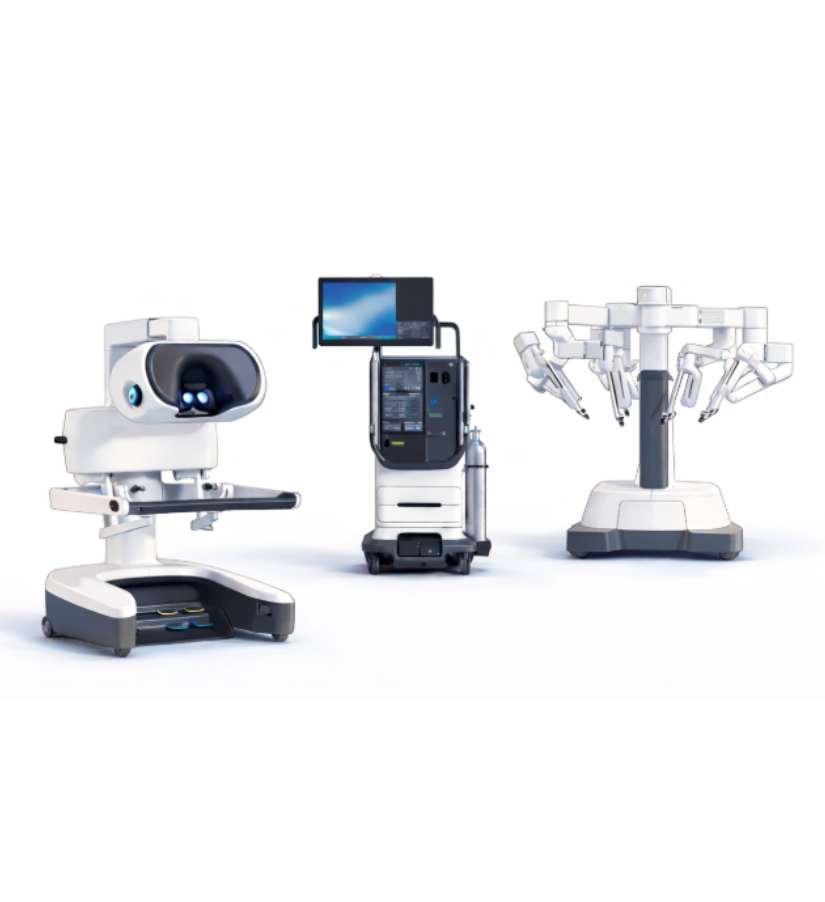
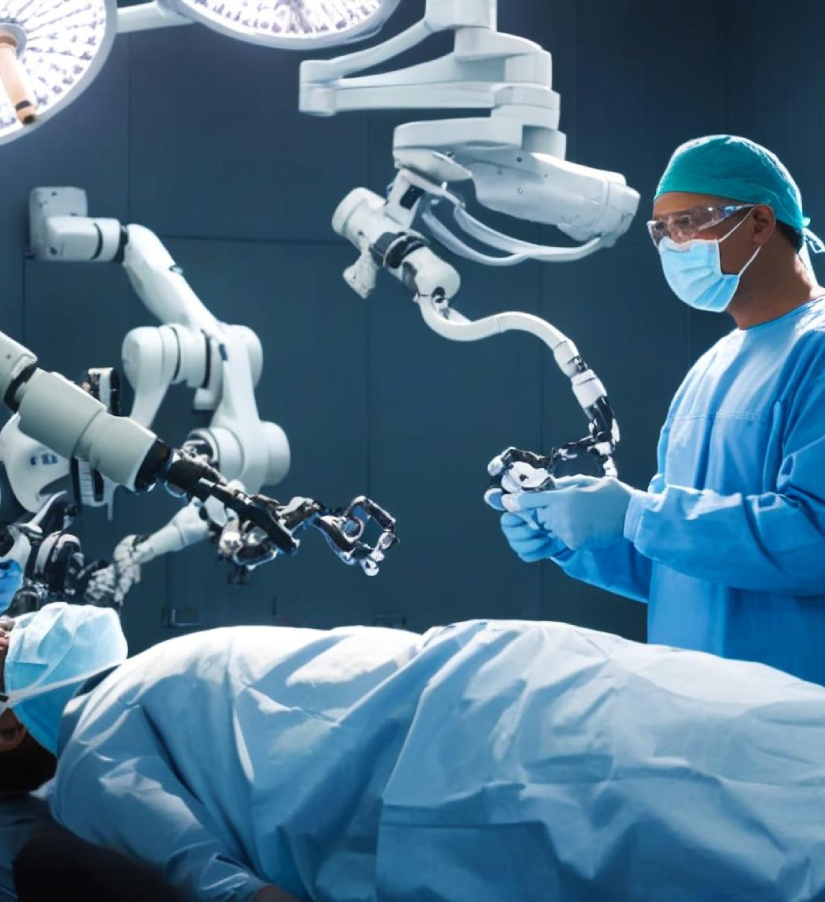
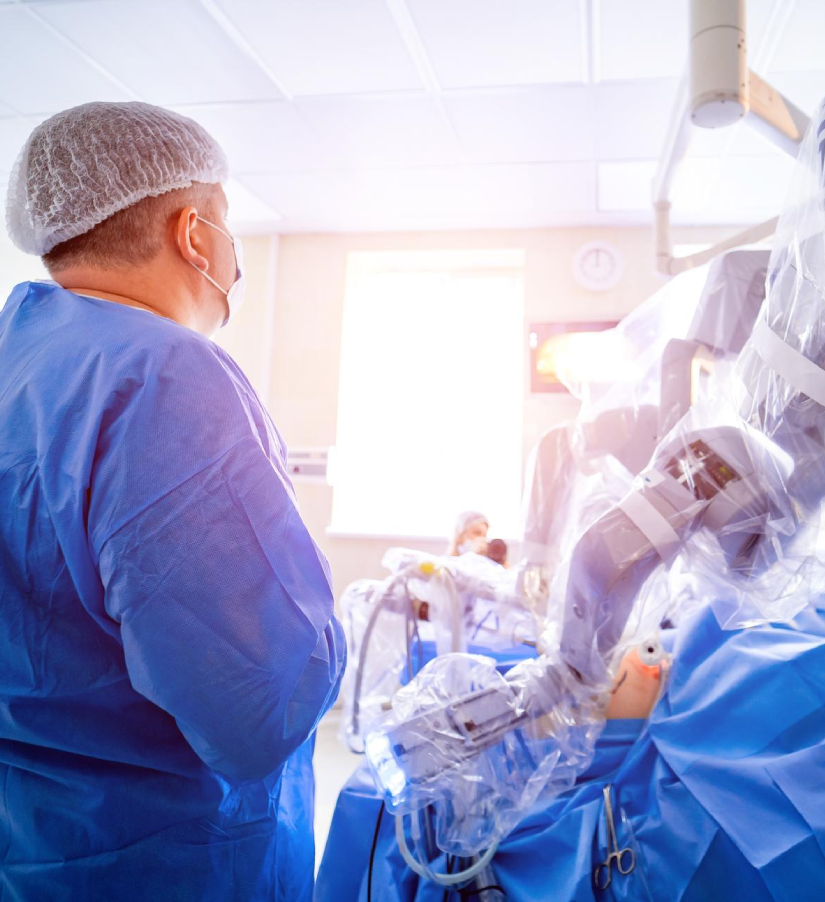
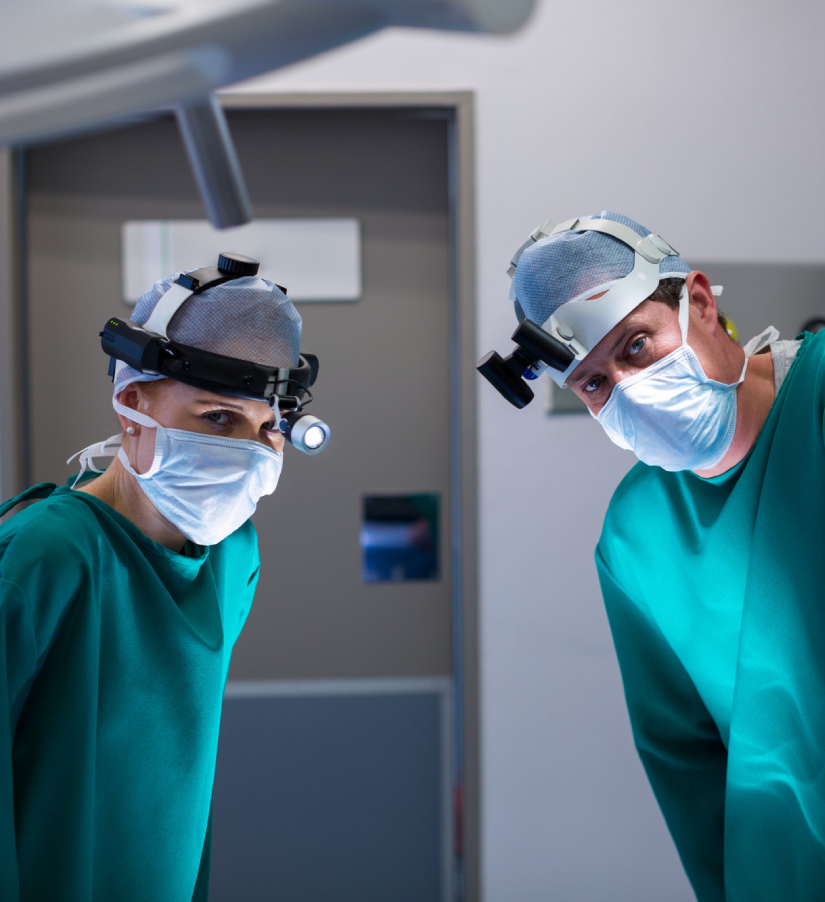
Robotic surgery is a technique that uses a specialized surgical platform controlled by the surgeon to perform procedures through small incisions. The robotic system translates the surgeon’s hand movements into highly precise movements of miniature instruments.
Robotic techniques can be used for suitable metabolic and bariatric operations, including sleeve, bypass and selected revisions. General surgical conditions are addressed by NuSelf Surgical Group.
Common conditions treated with robotic surgery
Robotic surgery may be used to treat:
Robotic techniques can be used for suitable metabolic and bariatric operations, including sleeve, bypass and selected revisions. General surgical conditions are addressed by NuSelf Surgical Group.
Robotic techniques can be used for suitable metabolic and bariatric operations, including sleeve, bypass and selected revisions. General surgical conditions are addressed by NuSelf Surgical Group.
GERD and hiatal hernia
Robotic techniques can be used for suitable metabolic and bariatric operations, including sleeve, bypass and selected revisions. General surgical conditions are addressed by NuSelf Surgical Group.
Robotic techniques can be used for suitable metabolic and bariatric operations, including sleeve, bypass and selected revisions. General surgical conditions are addressed by NuSelf Surgical Group.
Robotic techniques can be used for suitable metabolic and bariatric operations, including sleeve, bypass and selected revisions. General surgical conditions are addressed by NuSelf Surgical Group.
Your surgeon will determine whether robotic surgery is appropriate based on your condition and medical history.
When robotic surgery may be recommended
Robotic surgery may be recommended when:
A minimally invasive approach is preferred
Improved precision is beneficial for complex repairs
Faster recovery is desired
Smaller incisions may reduce postoperative discomfort
Prior surgery makes traditional laparoscopy more challenging
Not all procedures require robotic surgery, but it can offer important advantages in selected cases.
Treatment options
Robotic-assisted minimally invasive surgery
Small incisions instead of one large incision
High-definition 3D visualization
Enhanced precision and control
Reduced tissue trauma
Often less postoperative pain
Faster return to normal activity
Open Surgery
Used when minimally invasive surgery is not appropriate
Reserved for complex or emergency situations
Your surgeon will recommend the safest and most effective approach for your condition.
Why choose NuSelf
At NuSelf, robotic surgery is a core part of our minimally invasive surgical program. Our fellowship-trained surgeons use advanced robotic techniques to improve precision, reduce recovery time, and support better patient outcomes. We focus on personalized treatment planning and selecting the right surgical approach for each patient’s condition and goals.
Recovery and what to expect
Most patients can expect:
Smaller incisions and less visible scarring
Same-day discharge or short hospital stay
Faster return to light activity
Reduced postoperative discomfort compared with traditional open surgery
Recovery time varies depending on the procedure performed.
Frequently Asked Questions
1. What makes robotic surgery different from traditional surgery?+
Robotic surgery allows the surgeon to operate with enhanced precision and visualization through small incisions rather than a single larger incision.
2. Is robotic surgery safe?+
Robotic surgery is one minimally invasive approach. The surgeon controls the system; it does not operate independently. Safety and results depend on the operation, patient and surgical team, and a robotic approach is not automatically better for every patient.
3. Is the robot performing the surgery?+
No. The surgeon controls every movement of the robotic instruments throughout the procedure.
4. Will robotic surgery shorten my recovery time?
Many patients experience less pain and faster recovery compared with open surgery, though recovery depends on the specific procedure performed.
5. Will I still have scars?
Yes, but robotic surgery typically uses several small incisions that heal with minimal scarring.
The experience behind your care
Dr. Sashidhar Ganta
MD, FACS, FRCS, FRCSI
Founder & President · Robotic General and Bariatric Surgeon · Board-Certified · Yale Fellowship-Trained
20+ years. More than 6,000 bariatric patients. Advanced metabolic surgery and complex revisions.
The cost conversation starts early. Our Insurance Concierge helps review your benefits and the requirements for the proposed treatment. For self-pay, request a comprehensive, procedure-specific package quote. Financing may help spread eligible costs over time.
A foundation of training. A commitment to advancing care.
Yale UniversityAmerican Board of SurgeryAmerican College of SurgeonsRoyal College of Surgeons of EnglandRoyal College of Surgeons in IrelandNew York Medical CollegeTexas Medical AssociationAmerican Society for Metabolic and Bariatric SurgeryInternational Federation for the Surgery of Obesity and Metabolic Disorders