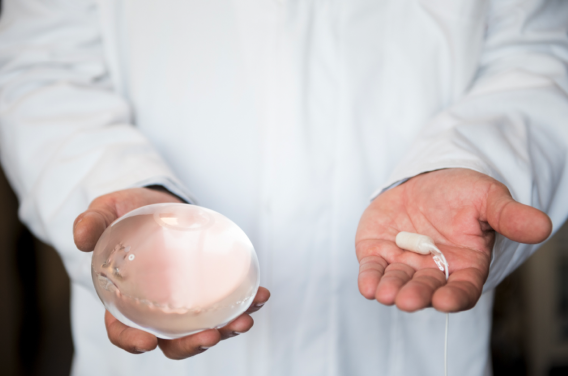
If you want help losing weight without an operation, Allurion offers a different starting point. A capsule containing a soft balloon is swallowed during an office visit. Once filled, the balloon occupies space in your stomach so smaller portions can feel more satisfying.
The balloon is one part of treatment. Your nutrition, activity and follow-up plan help turn that period of appetite support into habits you can continue. At NuSelf, the conversation begins with your health, your goals and whether this approach is a good fit. Explore Allurion alongside medical treatment, endoscopic options and metabolic surgery with a team that can explain the differences.
How the Allurion balloon works — manufacturer animation
Who can consider Allurion?
The FDA-approved U.S. indication is for adults ages 22–65 with a BMI of 30–40 who have had at least one unsuccessful attempt at a weight-loss program. Treatment is paired with a structured lifestyle program. The approved system allows up to two balloons within a 10-month period.
An initial consultation goes beyond your BMI. Your doctor reviews medications, swallowing, digestive health and prior operations to confirm that a balloon is appropriate. Balloon eligibility is different from the criteria for bariatric surgery or revision treatment. Your consultation also confirms placement availability and the program that will accompany your treatment.
What happens at placement?
First, you swallow the capsule while a thin filling tube remains outside your mouth. Imaging confirms that the capsule has reached your stomach. The clinician then fills the balloon with liquid and uses a second image to check its position and filling before gently removing the tube.
Placement is designed to take place without an incision, routine endoscopy or anesthesia. The manufacturer describes a visit of about 15 minutes for the placement itself; allow time for preparation and observation. The balloon remains for about four months, then its release valve opens so it can empty and pass through the digestive tract.
Swallow the capsule
Confirm its position with imaging
Fill and check the balloon
Remove the filling tube
The first days—and the months that follow
Your team gives you an eating and drinking plan and prescribed medicines to help you adjust. Nausea, cramping or vomiting can occur early, so arrange some flexibility around work and other commitments. Reintroduce food as directed and stay in contact with the team if symptoms make drinking difficult.
As you settle into treatment, the focus moves to practical routines: satisfying portions, adequate protein, hydration, activity and consistent follow-up. The manufacturer's program also includes connected tracking tools. At your consultation, we explain which visits, support and tools are part of your NuSelf plan and how to stay connected securely.
What results can you expect?
In the U.S. AUDACITY study, average total body weight loss at 48 weeks was approximately 6.9% with the Allurion system plus lifestyle treatment, compared with 3.1% with lifestyle treatment alone. About 58% of balloon-group participants lost at least 5% of their starting weight. These are study averages, not a promise of a particular result.
Your response depends on your starting point, treatment course and ongoing habits. We look beyond a number on the scale to your nutrition, strength and health. Continued long-term follow-up helps you maintain your results and health, including after the balloon has passed.
A clear plan before you begin
Book an appointment to discuss Allurion or start with Your Best Weight Loss Option, our 60-second assessment. Share your information through the secure patient pathway so our team can coordinate the next step.
Our insurance concierge can help clarify applicable benefits. If self-pay is the appropriate route, ask for a comprehensive written estimate explaining your proposed program, visits and payment options. You can then meet your surgeon, discuss alternatives and agree on a timeline. The life you want begins with a plan that makes sense for you.
A gastric balloon temporarily occupies space in the stomach. It can help you feel full with smaller portions and may slow the movement of food out of the stomach. This gives you a period of added appetite support while you build routines that can continue after the balloon is gone.
A balloon does not remove ghrelin-producing stomach tissue or bypass the intestine. Its main effect is to support fullness and reduce food intake; it should not be described as creating the same hormonal changes as gastric bypass or duodenal switch. As weight decreases, metabolic health may improve, but the amount of weight loss and the health response differ from person to person.
Different balloon systems have different eligibility, placement and removal requirements. Allurion is swallowed and designed to empty and pass naturally, whereas other balloons may require endoscopy. Your consultation establishes which system is appropriate and explains the treatment period, symptom management, nutrition and follow-up. The plan after the balloon is just as important as the placement itself: continued support helps you maintain results and health.
Your Allurion questions
Is Allurion FDA approved?+
Yes. The FDA approved the Allurion Gastric Balloon System in February 2026 for its specified U.S. indication. It is a prescription treatment requiring evaluation and placement by an appropriately trained clinician.
Does the balloon change my hormones like gastric bypass?+
The balloon mainly helps you feel full with less food. It does not remove stomach tissue or reroute the small intestine. Weight loss may improve metabolic health, but its mechanism is different from metabolic surgery.
What should I know about side effects and safety?+
Early nausea, vomiting, abdominal discomfort and reflux can occur. Important complications can include balloon intolerance, blockage, overinflation or injury to the digestive tract. Some patients need endoscopic or surgical treatment. Your doctor reviews your individual risks and the current patient information before placement. Seek prompt medical assessment for severe or persistent abdominal pain, repeated vomiting or inability to keep fluids down.
Can I have a balloon after previous bariatric surgery?+
Previous bariatric, stomach or esophageal surgery is a contraindication in Allurion labeling. Pregnancy, breastfeeding, swallowing problems and certain digestive conditions may also make a balloon unsuitable. If you have had surgery and need further treatment, request an individualized revision or medical consultation instead.
What happens after the balloon passes?+
Follow-up continues. Your team reviews nutrition, activity, weight and health, then discusses the next phase of your plan. A second balloon may be considered within the approved treatment course when appropriate; timing and suitability are determined by your clinician using current labeling.
The experience behind your care
Dr. Sashidhar Ganta
MD, FACS, FRCS, FRCSI
Founder & President · Robotic General and Bariatric Surgeon · Board-Certified · Yale Fellowship-Trained
20+ years. More than 6,000 bariatric patients. Advanced metabolic surgery and complex revisions.
The cost conversation starts early. Our Insurance Concierge helps review your benefits and the requirements for the proposed treatment. For self-pay, request a comprehensive, procedure-specific package quote. Financing may help spread eligible costs over time.
A foundation of training. A commitment to advancing care.
Yale UniversityAmerican Board of SurgeryAmerican College of SurgeonsRoyal College of Surgeons of EnglandRoyal College of Surgeons in IrelandNew York Medical CollegeTexas Medical AssociationAmerican Society for Metabolic and Bariatric SurgeryInternational Federation for the Surgery of Obesity and Metabolic Disorders